


Vision correction today offers more than one solution. For individuals seeking freedom from glasses or contact lenses but who prefer not to alter their corneal structure, Implantable Collamer Lens (ICL) surgery has become one of the fastest-growing vision correction procedures worldwide.
Unlike laser vision correction, ICL preserves the natural cornea while providing excellent visual quality, long-term stability, and the flexibility of reversibility if needed in the future.
WHAT IS ICL?
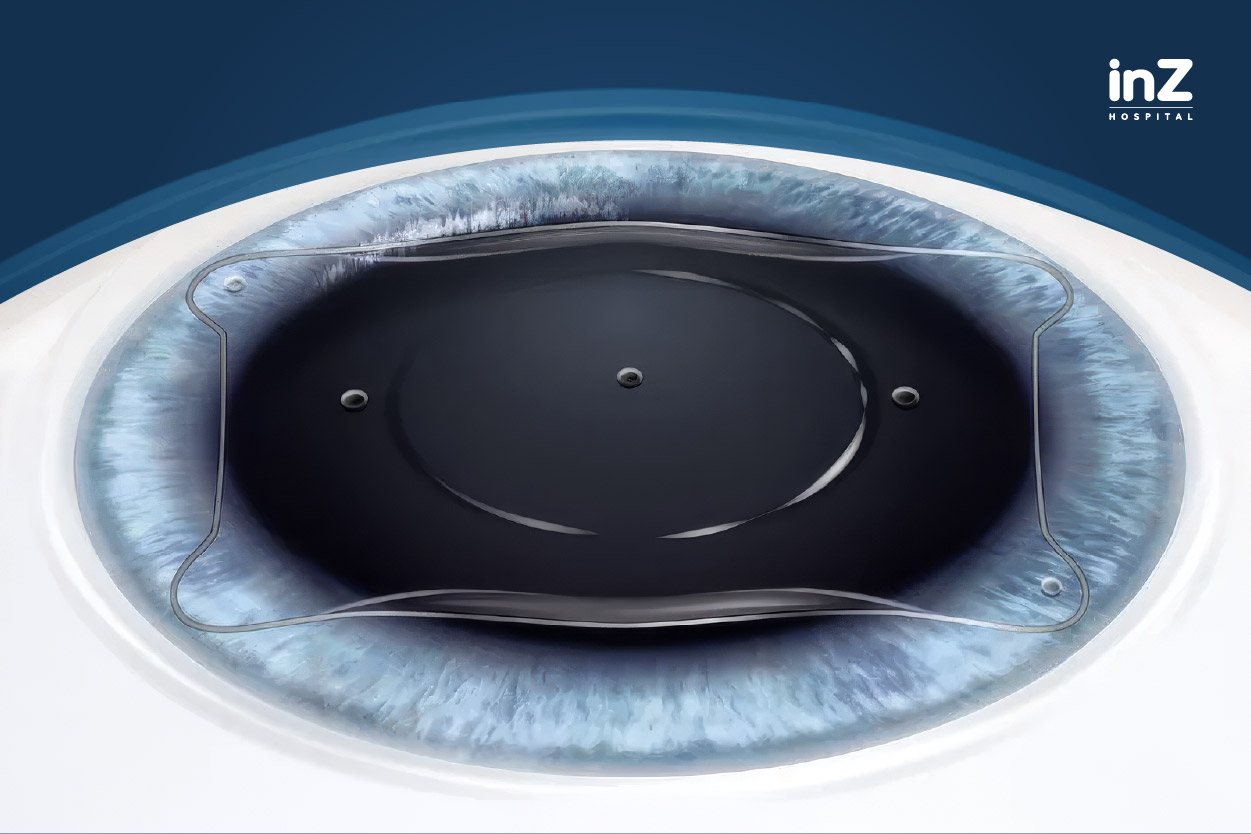
ICL (Implantable Collamer Lens) is a specially designed implantable lens placed inside the eye, positioned behind the iris and in front of the eye’s natural lens.
The lens is made from Collamer®, a highly biocompatible material designed for long-term implantation within the eye.
- Used worldwide for more than 30 years
- More than 3 million eyes implanted globally
- Does not alter the corneal structure
- Designed to remain permanently inside the eye
- Can be removed or exchanged if medically necessary in the future
ICL is an established vision correction option with extensive clinical evidence supporting its safety, effectiveness, and long-term stability.
ICL: A CONTACT LENS INSIDE THE EYE
ICL can be thought of as a contact lens inside the eye that remains in place permanently and does not require daily removal, cleaning, or maintenance.
Unlike external contact lenses, the ICL is invisible to others and works continuously to correct vision while preserving the eye’s natural anatomy.
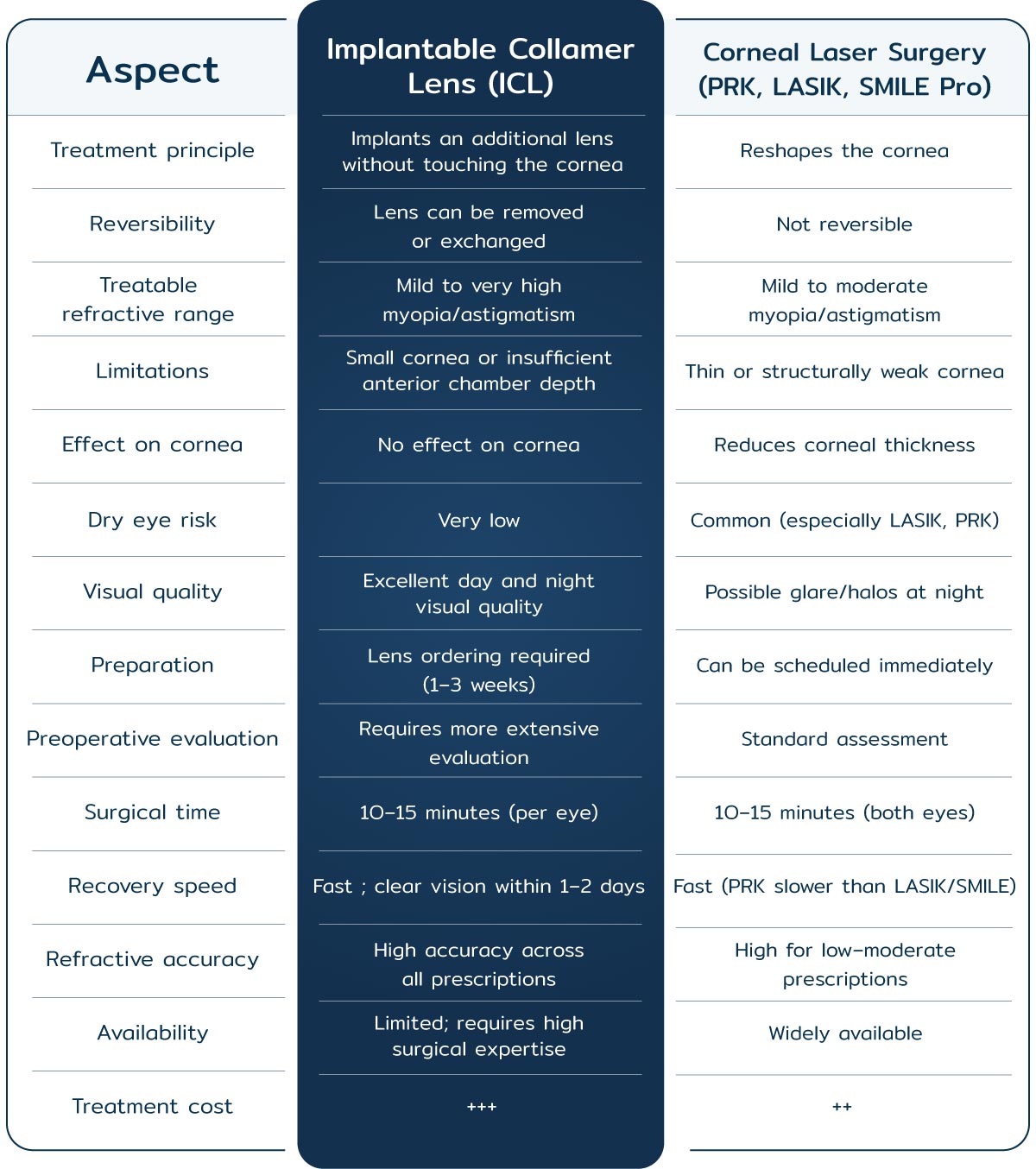
ADVANTAGES OF ICL
- Preserves the Natural Cornea
- ICL does not remove or reshape corneal tissue, making it an excellent option for patients with thin corneas, dry eyes, or individuals who prefer a cornea-preserving solution.
- Corrects a Wide Range of Refractive Errors
- ICL can correct moderate to very high levels of myopia and astigmatism, including prescriptions that may not be suitable for LASIK or other laser procedures.
- Excellent Visual Quality
- Many patients report sharp, crisp vision with excellent contrast sensitivity and overall visual quality.
- Does Not Worsen Dry Eye Symptoms
- Because the corneal nerves are not disrupted, ICL generally does not aggravate dry eye symptoms.
- Rapid Recovery
- Many patients achieve functional vision within 24 hours and can quickly return to normal daily activities.
- Reversible
- Although designed to remain permanently inside the eye, the lens can be removed or exchanged if necessary.
LIMITATIONS OF ICL
Like any medical procedure, ICL has limitations.
- Generally more expensive than laser vision correction
- Requires highly specialized diagnostic equipment and surgical expertise
- Not every patient is anatomically suitable
- Requires implantation inside the eye, making it an intraocular procedure
A comprehensive evaluation is necessary to determine whether ICL is the most appropriate option.

WHO IS SUITABLE FOR ICL?
ICL may be suitable for:
- Adults aged 21 years or older
- Individuals with stable vision
- Patients with myopia and/or astigmatism
- Patients seeking an alternative to LASIK or SMILE
- Individuals with thin corneas
- Patients with dry eye symptoms
- Individuals seeking a cornea-preserving vision correction option
Suitability is determined through a comprehensive eye examination and advanced anatomical assessment.
EXPECTED RESULTS AFTER ICL IMPLANTATION
(Visian EVO / EVO+ ICL by STAAR Surgical)
Clinical studies have demonstrated excellent visual outcomes with modern EVO ICL technology.
- Approximately 88% of patients achieve 20/20 vision or better without glasses
- More than 99% achieve vision sufficient for everyday activities without corrective eyewear
- Excellent visual quality and long-term refractive stability
- High patient satisfaction rates worldwide
- Very low rates of serious complications when performed by experienced surgeons using appropriate patient selection criteria
POSSIBLE RISKS AND COMPLICATIONS
ICL implantation is considered a highly safe procedure with a strong long-term safety profile. However, as with any intraocular surgery, potential risks may include:
- Temporary elevation of intraocular pressure
- Lens rotation (particularly with toric ICLs)
- Glare or halos, especially during the adaptation period
- Cataract formation (rare with modern EVO ICL technology)
- Infection (very rare)
- Need for lens repositioning or lens exchange if sizing is not ideal
The best way to minimize risk is through meticulous preoperative assessment, precise surgical planning, and surgery performed by an experienced ICL surgeon.
IDEAL CANDIDATES FOR ICL

ICL may be particularly beneficial for:
- Individuals with moderate to high myopia
- Patients with myopia and astigmatism
- Patients with thin corneas
- Patients experiencing contact lens intolerance
- Individuals with dry eye syndrome
- Patients seeking a reversible vision correction solution
- Individuals who wish to preserve their natural corneal structure
HOW inZ ICL CENTER IS DIFFERENT
- Advanced Safety Standards and Comprehensive Preoperative Assessment
Every patient undergoes an extensive diagnostic evaluation using advanced imaging technologies to assess eye anatomy, optimize lens sizing, and maximize surgical safety.
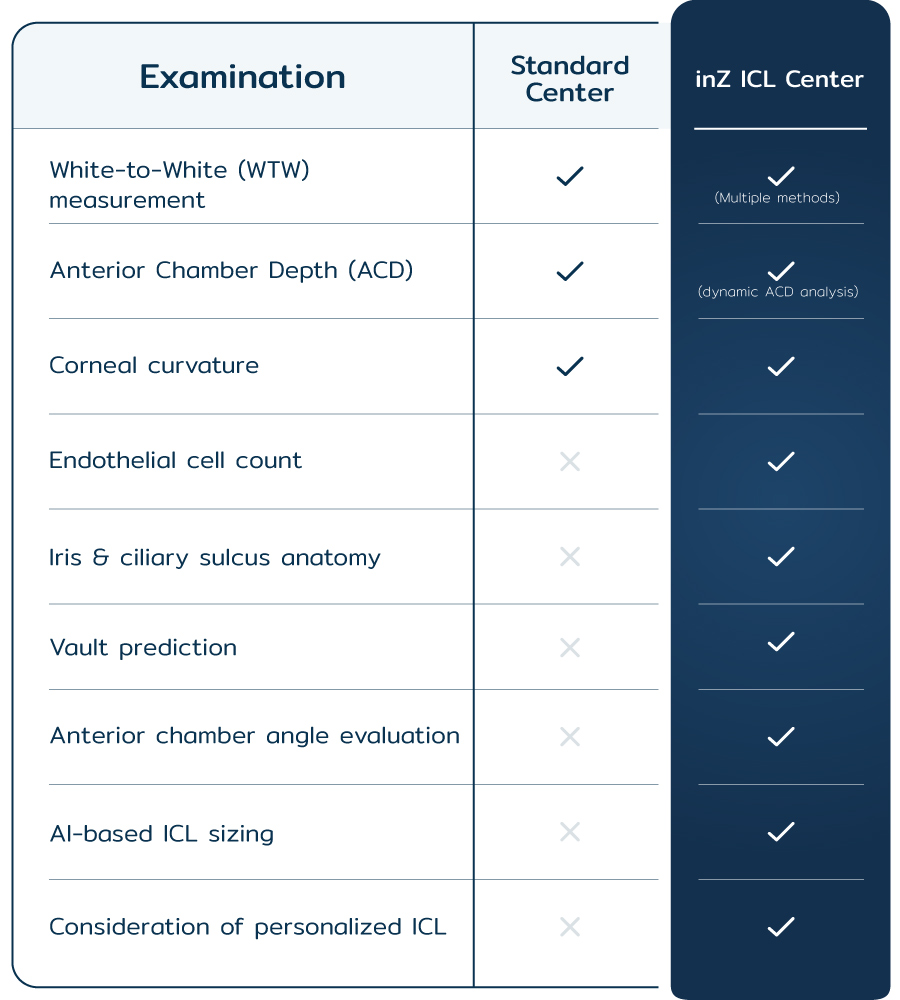
2. AI-Assisted Lens Sizing and Surgical Planning
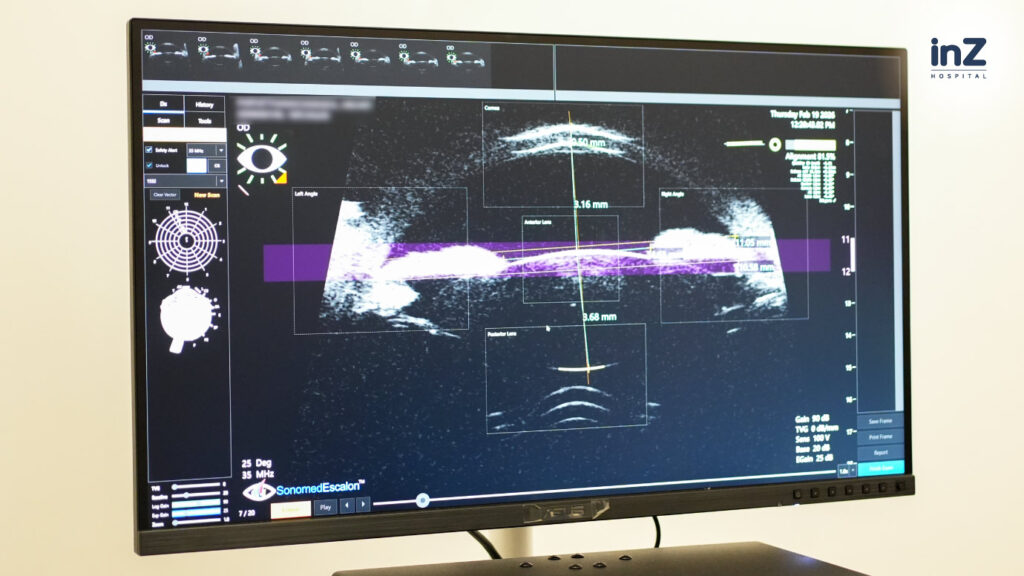
Advanced imaging combined with artificial intelligence–assisted analysis is used to improve lens sizing accuracy and enhance predictability of postoperative outcomes.
This technology helps optimize lens selection and improve long-term stability.
3. Personalized ICL (Custom-Made ICL)
One of the most important factors for successful ICL outcomes is achieving the ideal lens fit.
While standard ICL lenses are designed to fit the majority of eyes, some individuals possess unique anatomical characteristics that require a more customized approach.
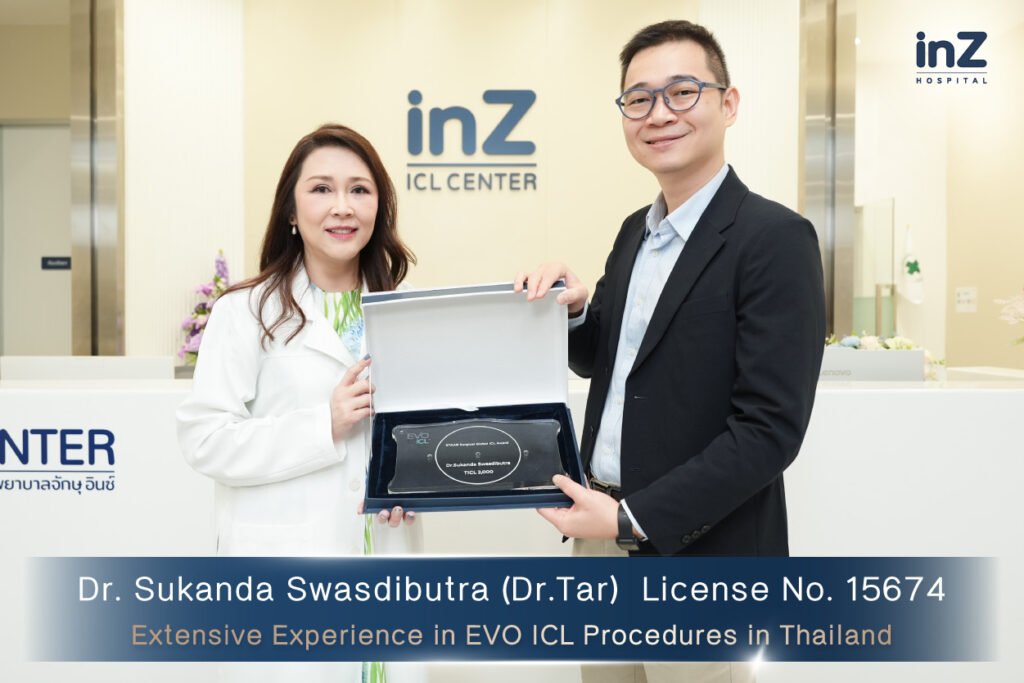
Dr. Sukanda Sawasdibutra has extensive experience in personalized ICL planning, including customized lens ordering for selected complex cases when standard lens options may not provide the optimal fit.
Each treatment plan is tailored to the individual patient’s ocular anatomy and visual goals.
PRESERVING THE EYE WHILE EXPANDING VISION
Today, ICL is no longer simply an alternative for patients who are not suitable candidates for LASIK.
For many individuals, it has become a premium vision correction solution that preserves the natural cornea while delivering excellent visual quality and long-term stability.
In countries such as Japan, ICL has become one of the fastest-growing refractive surgery procedures and is widely accepted among patients seeking freedom from glasses and contact lenses.
FREQUENTLY ASKED QUESTIONS (FAQ)
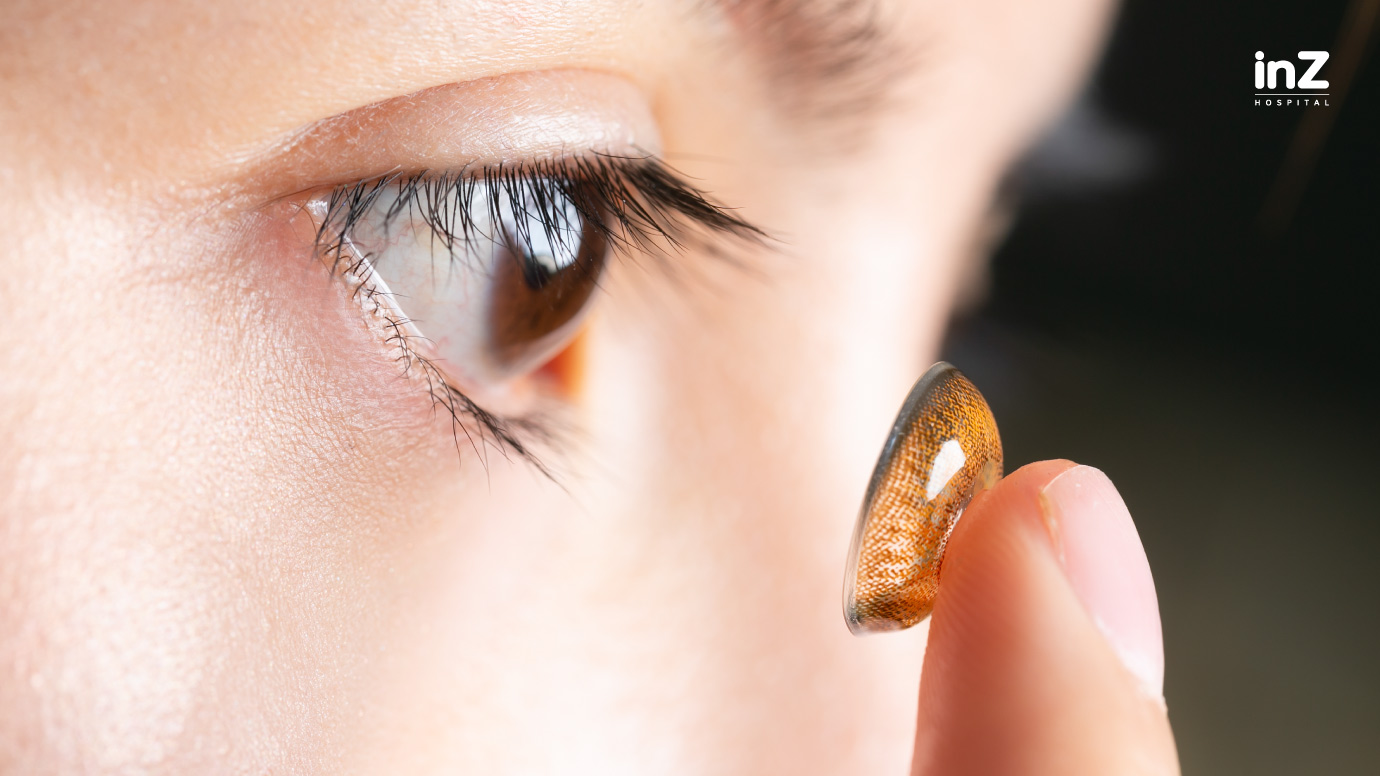
Can I wear contact lenses after ICL implantation?
Yes. Cosmetic or colored contact lenses can generally be worn approximately one month after surgery, subject to your surgeon’s recommendation.
How long does an ICL lens last?
ICL lenses are designed to remain inside the eye permanently and do not require routine replacement.
Can the ICL be removed?
Yes. Although ICL is intended to remain permanently inside the eye, it can be removed or exchanged if medically necessary. This reversibility is one of the unique advantages of ICL technology.
Is ICL better than LASIK?
Neither procedure is universally better.
The ideal treatment depends on an individual’s eye anatomy, refractive error, corneal thickness, lifestyle, and visual goals. A comprehensive evaluation is required to determine the most appropriate option.
Which ICL brand is most widely used worldwide?
Several implantable lens platforms are available today. Visian EVO / EVO+ ICL by STAAR Surgical is currently the most widely studied and commonly implanted ICL worldwide, supported by extensive clinical data demonstrating safety, effectiveness, and long-term stability.
The EVO platform has received regulatory approval in many countries, including approval by the U.S. Food and Drug Administration (FDA).
Reference
Packer M. Evaluation of the EVO/EVO+ Sphere and Toric Visian ICL: Six Month Results from the United States Food and Drug Administration Clinical Trial. Clin Ophthalmol. 2022 May 21;16:1541-1553. doi: 10.2147/OPTH.S369467. PMID: 35645557; PMCID: PMC9132105.