


Laser vision correction, commonly known as LASIK (Laser-Assisted In Situ Keratomileusis), is a widely used solution for individuals with myopia, hyperopia, or astigmatism. The procedure is designed to improve visual acuity and reduce dependence on glasses or contact lenses. This article explains what LASIK is, the different types of vision correction procedures available, eligibility criteria, and important information to consider before undergoing treatment.
Key Takeaway
- LASIK is a refractive surgical procedure that uses laser technology to reshape the cornea and reduce dependence on glasses or contact lenses.
- Multiple laser vision correction technologies are available today, allowing treatment plans to be customized to each individual’s ocular characteristics.
- Visual outcomes following LASIK depend on factors such as refractive error, ocular anatomy, and comprehensive preoperative assessment.
- Detailed diagnostic evaluation using advanced ophthalmic technologies, together with care provided by experienced ophthalmologists, is essential for appropriate treatment planning.
- LASIK is a well-established vision correction procedure that has been widely performed worldwide and is supported by extensive clinical research.
What Is LASIK?
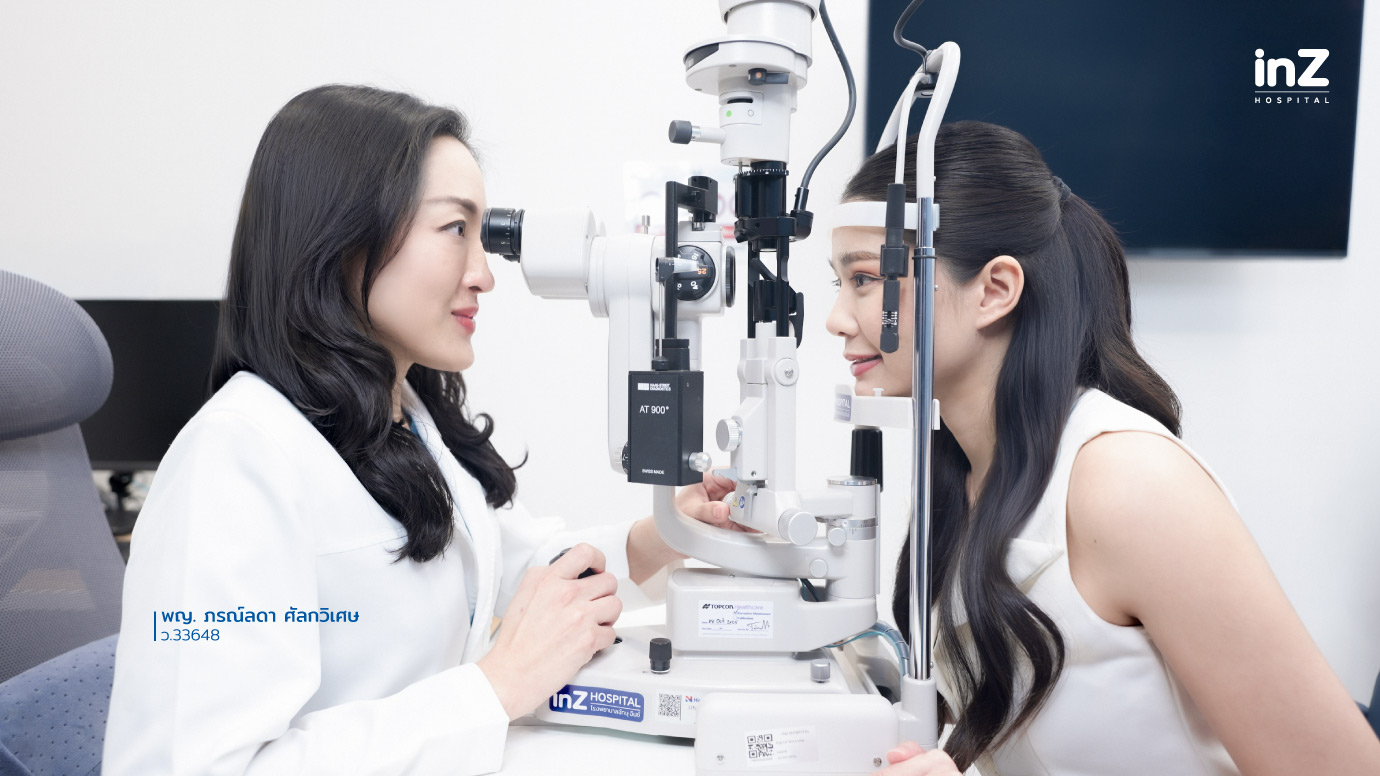
LASIK (Laser-Assisted In Situ Keratomileusis) is a refractive surgical procedure used to correct myopia, hyperopia, and astigmatism. The procedure utilizes laser energy to reshape the cornea, allowing light to focus properly on the retina and improving visual clarity.
Refractive Errors That Can Be Corrected With LASIK
Myopia (Nearsightedness)
Myopia is a condition in which distant objects appear blurred while near objects remain clear. LASIK corrects myopia by reshaping the cornea to improve the eye’s focusing ability.
Hyperopia (Farsightedness)
Hyperopia is a refractive error in which light focuses behind the retina rather than directly on it. This may make near vision more difficult and, in some cases, affect distance vision as well. LASIK can correct hyperopia by increasing the corneal curvature to improve visual focus.
Presbyopia
Presbyopia is an age-related condition characterized by a gradual loss of the eye’s ability to focus on near objects. Depending on a patient’s age, visual needs, and ocular condition, management options may include PRESBYOND® Laser Blended Vision, monovision LASIK, or lens-based procedures. A comprehensive ophthalmic evaluation is required to determine the most suitable approach.
Astigmatism
Astigmatism occurs when the cornea or lens has an irregular shape, resulting in multiple focal points and blurred or distorted vision. LASIK can reshape the cornea to improve visual quality and reduce astigmatism
What Types of Refractive Surgery Are Available?
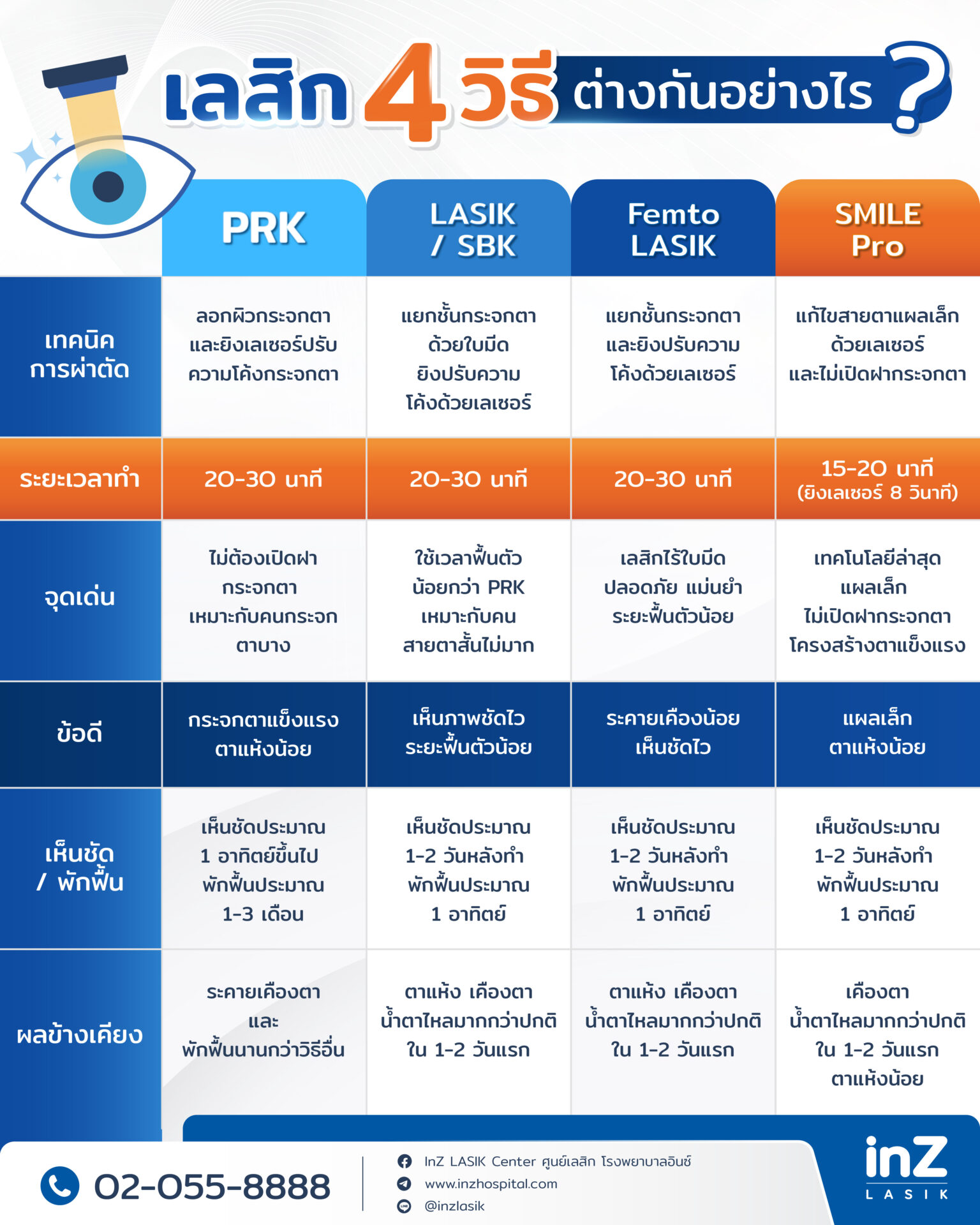
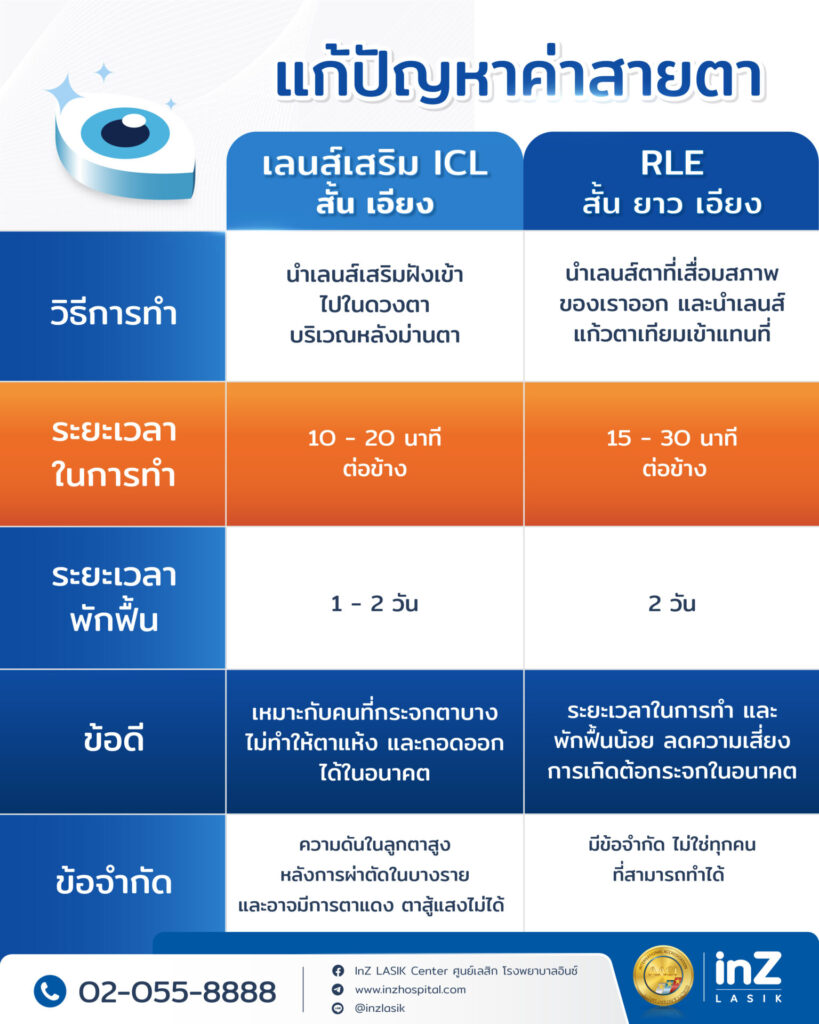
In addition to LASIK, several alternative refractive procedures are available, including implantable lenses and refractive lens replacement.
PRK (Photorefractive Keratectomy)
PRK involves removing the outer corneal epithelium before applying laser energy to reshape the cornea. Unlike LASIK, PRK does not require the creation of a corneal flap. It is often considered for individuals with thinner corneas, dry eye concerns, or those who prefer not to have a corneal flap.
Microkeratome LASIK
Also known as blade LASIK, this procedure uses a microkeratome blade to create a corneal flap, followed by excimer laser treatment to correct refractive errors.
Femto LASIK
Femto LASIK is a blade-free LASIK procedure that uses a femtosecond laser to create the corneal flap instead of a mechanical blade. This technology provides a high level of precision and consistency in flap creation.
SMILE Pro
SMILE Pro is a minimally invasive, flap-free refractive procedure that uses a femtosecond laser to create a small lenticule within the cornea, which is removed through a small incision. The procedure is commonly used to correct myopia and astigmatism and may be associated with a lower incidence of postoperative dry eye symptoms compared with flap-based laser vision correction procedures. Individual outcomes may vary
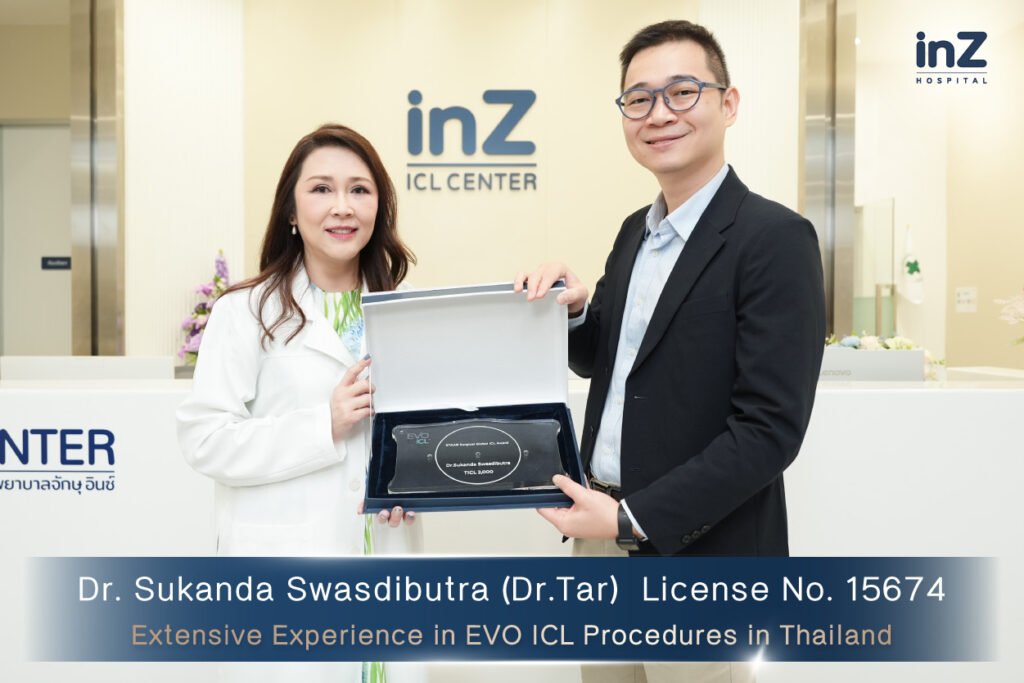
Phakic Intraocular Lens (ICL)
A phakic intraocular lens is an implantable lens designed to correct refractive errors, including myopia and astigmatism. The lens is implanted behind the iris without removing the natural crystalline lens. This option may be suitable for individuals with refractive errors beyond the range of laser vision correction. If clinically necessary, the lens can be removed in the future.
Technologies Used in LASIK
Modern LASIK relies on multiple technologies throughout the treatment journey, from diagnostic assessment to laser vision correction.
Advanced Diagnostic Technologies
Before surgery, patients undergo a comprehensive eye examination using specialized diagnostic devices to assess refractive error, corneal thickness, corneal curvature, and overall ocular health. These findings help determine treatment suitability and guide individualized treatment planning.
Laser Vision Correction Technologies
Laser systems are used to correct myopia, hyperopia, astigmatism, and selected presbyopic conditions based on individualized treatment parameters. Many modern platforms incorporate real-time eye-tracking technology that continuously monitors eye movements during treatment to help ensure accurate laser delivery.
Current laser technologies provide a high degree of precision, a favorable safety profile, relatively low levels of postoperative discomfort, and short recovery periods for appropriately selected patients.
Advantages and Limitations of Laser Vision Correction
Advantages
- Corrects refractive errors effectively.
- Short surgical procedure and recovery time.
- Reduces dependence on glasses and contact lenses.
- Facilitates participation in activities such as water sports and other physically demanding pursuits.
Limitations
- Temporary dry eye symptoms may occur during the early postoperative period and may require lubricating eye drops. In some cases, symptoms may persist for a longer period, depending on individual patient factors.
- Not all individuals are suitable candidates due to factors such as very high refractive errors or underlying ocular conditions.
Am I a Suitable Candidate for LASIK?
Suitable Candidates
- Stable refractive error for at least one year.
- Adequate corneal thickness.
- No significant corneal disease or ocular pathology affecting surgical suitability.
- Individuals seeking greater freedom from glasses or contact lenses.
A comprehensive ophthalmic consultation is essential to determine safety and suitability.
Individuals Who May Not Be Suitable
- Individuals younger than 18 years of age.
- Patients with excessively thin corneas.
- Patients with ocular conditions such as glaucoma, cataracts, diabetic retinopathy, keratoconus, or corneal ectasia.
- Pregnant or breastfeeding individuals, as hormonal changes may affect refractive stability.
Alternative vision correction options may be available depending on individual circumstances.
Preoperative Preparation
Patients should follow these recommendations before surgery:
- Discontinue soft contact lenses for at least 3–7 days before evaluation and treatment.
- Discontinue rigid contact lenses for at least 14 days before evaluation and treatment.
- Avoid alcohol consumption for 1–2 days before treatment.
- Discontinue acne medications as advised by the ophthalmologist, as some medications may contribute to dry eye and affect measurements.
- Inform the ophthalmologist about any medications currently being used.
- Arrange for a companion, particularly if pupil dilation is required during the examination.
Postoperative Care
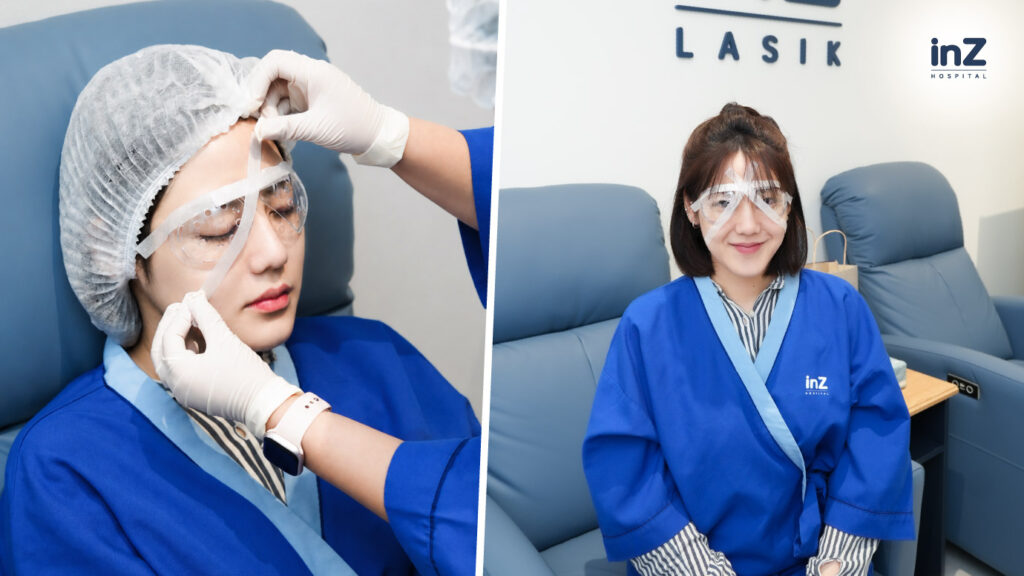
Patients are generally advised to wear protective eye shields during sleep for approximately one week to avoid inadvertent eye rubbing. Water, sweat, and dust should be kept away from the eyes during the early healing period. Prescribed medications should be used as directed, and scheduled follow-up visits should be attended.
Potential Side Effects
Temporary side effects may include:
- Eye irritation or foreign body sensation.
- Dry eye symptoms.
- Glare or halos, particularly at night.
These symptoms typically improve over time, although recovery may vary between individuals.
How to Choose a LASIK Provider
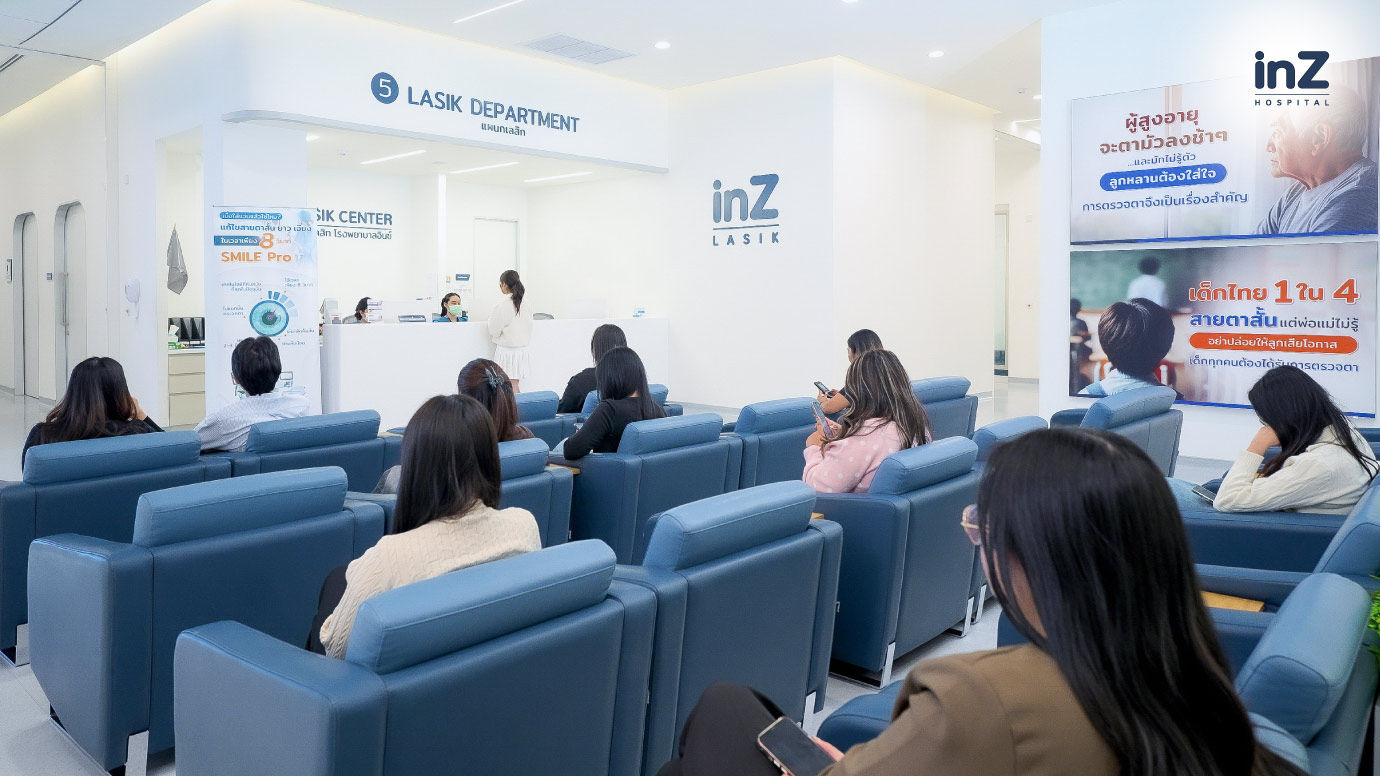
When considering where to undergo LASIK, patients should evaluate factors such as the experience of the surgical team, available technology, preoperative assessment protocols, and the quality of postoperative care. These factors contribute to treatment quality and patient safety.
LASIK Expertise at inZ eye hospital
inZ LASIK Center at inZ eye hospital, each patient undergoes a comprehensive preoperative evaluation using advanced diagnostic technologies. Cornea and refractive surgery specialists review the findings to determine the most appropriate treatment option based on the patient’s ocular characteristics, visual requirements, and lifestyle. Ongoing care is provided throughout the consultation, treatment, and postoperative follow-up process to support optimal visual outcomes and patient safety.
What Is the Success Rate of Laser Vision Correction?
Laser vision correction is among the most widely performed refractive procedures worldwide and has been supported by extensive clinical evidence over many years. Most patients achieve a significant reduction in dependence on glasses or contact lenses. However, outcomes vary depending on factors such as refractive error, corneal anatomy, ocular health, and preoperative suitability.
Is LASIK Safe?
LASIK has undergone continuous technological advancement and refinement over several decades. Safety depends not only on the technology itself but also on comprehensive patient screening, appropriate treatment selection, and care provided by qualified ophthalmologists. Individuals interested in LASIK should undergo a thorough evaluation to obtain complete information before making a treatment decision.
Frequently Asked Questions
Is There a Limit to the Amount of Myopia That LASIK Can Correct?
Eligibility depends on refractive error, corneal thickness, and overall ocular health. Individuals with high myopia require detailed evaluation to determine whether LASIK can be performed safely.
What Is the Minimum Age for LASIK?
Candidates should generally be at least 18 years old and have a stable refractive prescription for at least one year
Can Vision Change Again After LASIK?
LASIK permanently reshapes the cornea; however, refractive changes may occur over time due to aging or other factors affecting the eye.
Can LASIK Be Performed More Than Once?
Enhancement procedures may be considered in selected cases if additional correction is needed, depending on corneal thickness and overall ocular health.
Can LASIK Be Performed for One Eye Only?
Yes. If only one eye requires refractive correction, LASIK may be performed on that eye following appropriate evaluation.
Can Patients With Diabetes Undergo LASIK?
Patients with well-controlled diabetes may be candidates for LASIK. Those with uncontrolled diabetes or diabetic retinopathy require careful evaluation by an ophthalmologist.
Can Individuals With Thin Corneas Undergo LASIK?
Patients with insufficient corneal thickness may not be suitable candidates for LASIK. Alternative procedures such as PRK or implantable collamer lenses (ICL) may be considered.
Choosing the Right Vision Correction Solution
Laser vision correction can effectively treat myopia, hyperopia, and astigmatism by reshaping the cornea. Although some individuals may not be suitable candidates for LASIK, alternative treatment options are available. At inZ Eye Hospital, comprehensive diagnostic evaluation, individualized treatment planning, and experienced ophthalmic care help ensure that each patient receives an appropriate vision correction solution tailored to their needs
Reference
LASIK Eye Surgery. (2022, November 09). WebMD.
https://www.webmd.com/eye-health/lasik-laser-eye-surgery